
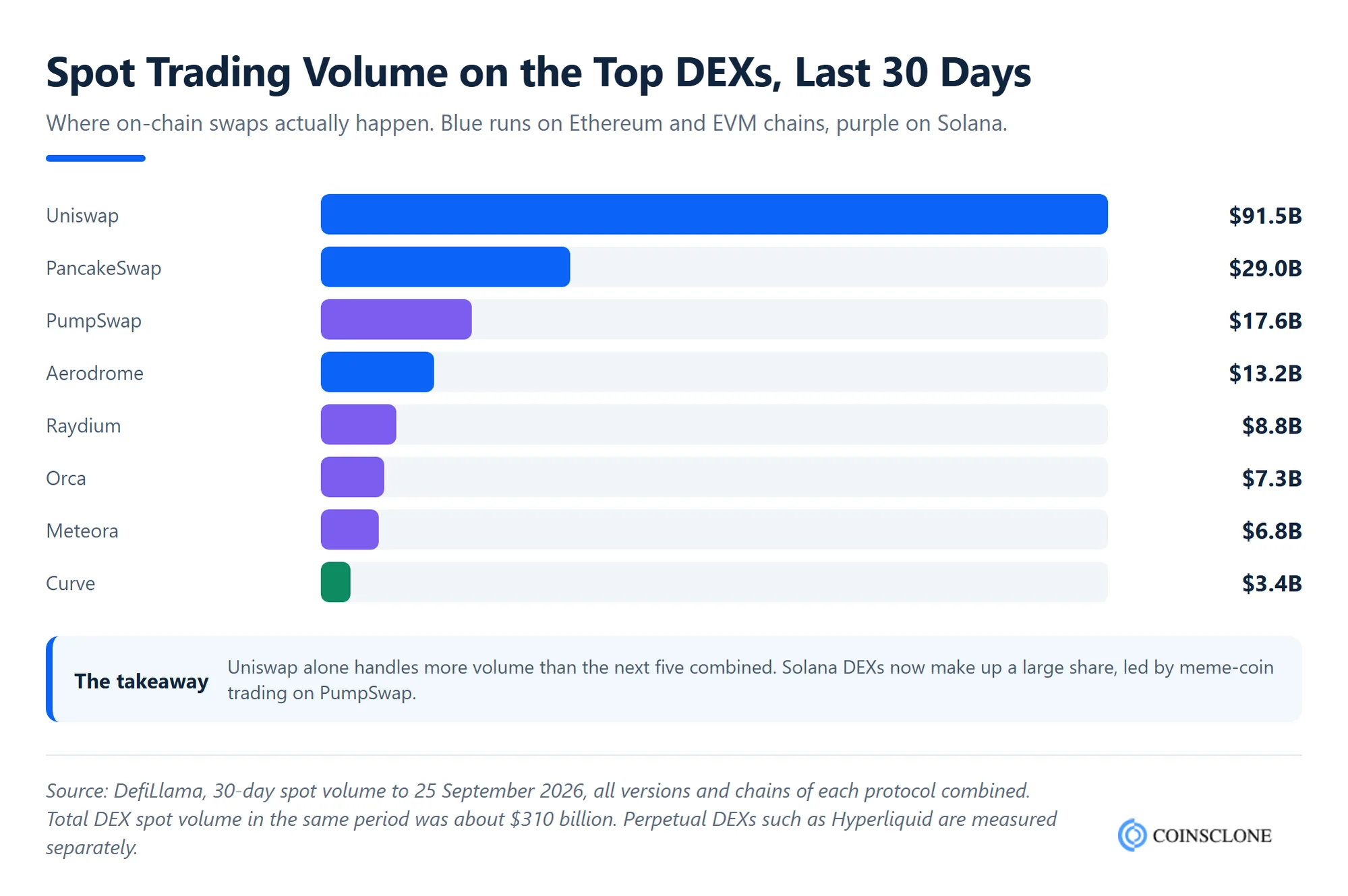
Decentralized exchanges handled about $310 billion in spot trades in the 30 days to 25 September 2026, according to DefiLlama. That is real money moving through smart contracts, with no company holding your coins along the way.
But the best decentralized exchange for you depends on what you trade and which chain your wallet is on. This guide ranks the top 10 DEXs by live volume, explains what each one does best, and flags the names that dropped off this year. Founders will also find what it takes to build a DEX of their own.
See How Our MVP System Helps You Build the Best Decentralized Exchange
Best Decentralized Exchange — built for secure, fast, and trustless crypto trading.
- MVP System : Launch a scalable DEX with AMM, order book, or hybrid trading models.
- DeFi-Ready Modules : Integrate liquidity pools, multi-chain swaps, farming, staking, and wallets.
- Brand & Customization :Customize UI, trading pairs, fee structures, and governance.
- Revenue Engine : Generate revenue through swap fees, incentives, and premium features.
Get a free DEX strategy demo in just 48 hours — before development begins.
Book a Free Demo to launch the best decentralized exchange in 8–12 weeks and stay ahead of the market.
10 Best Decentralized Exchanges in 2026
We ranked spot DEXs by 30-day trading volume on DefiLlama, then added the two leading perpetual futures DEXs, which are measured separately. Every platform below was live and trading on 25 September 2026.
| DEX | Main chain | Best for |
| Uniswap | Ethereum and 20+ networks | ERC-20 tokens, deepest liquidity |
| PancakeSwap | BNB Chain and 10 more | Low-fee swaps on BNB Chain |
| PumpSwap | Solana | New Solana meme coins |
| Aerodrome | Base | Tokens on Coinbase’s Base network |
| Raydium | Solana | Solana tokens and launches |
| Orca | Solana | Concentrated liquidity on Solana |
| Meteora | Solana | Dynamic pools and token launches |
| Curve | Ethereum and EVM chains | Stablecoin swaps |
| Hyperliquid | Hyperliquid L1 | Perpetual futures |
| dYdX | dYdX Chain | Pro derivatives trading |
1. Uniswap
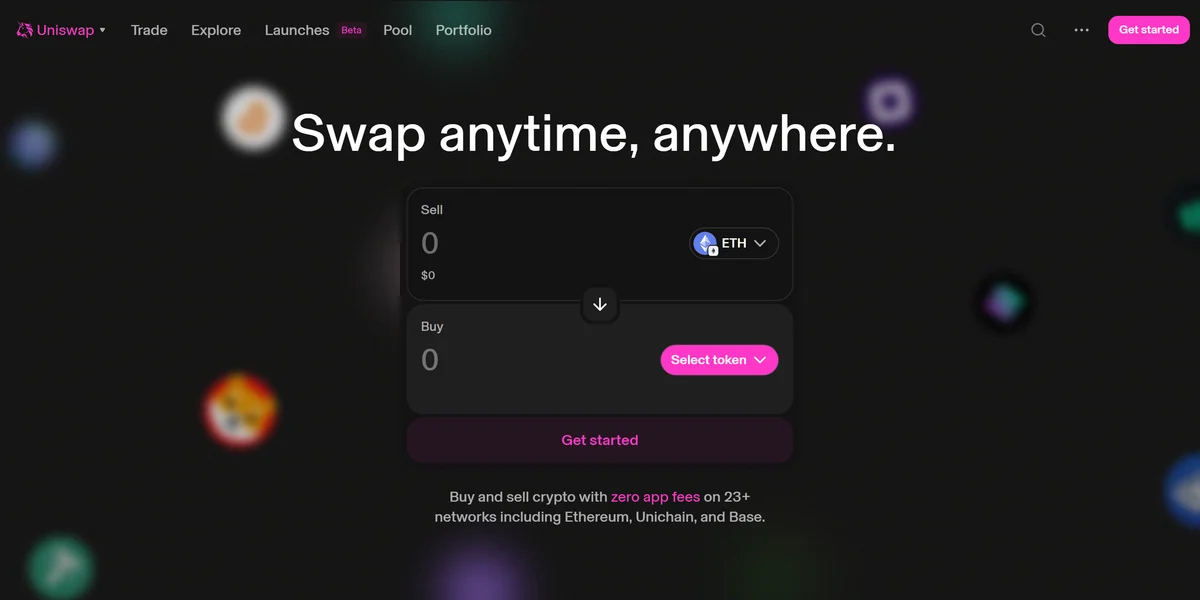
Uniswap is the largest decentralized exchange in the world by a wide margin. It uses an automated market maker (AMM): instead of matching buyers and sellers, you swap against pools of tokens that other users supply. Liquidity providers earn a share of every trade.
Uniswap v4, launched in 2025, added “hooks”, small plug-ins that let developers add custom features to a pool. Uniswap also runs its own layer 2 network, Unichain. Its app now covers more than 20 networks, including Ethereum, Base and Arbitrum. Many startups create a DEX like Uniswap because its model is proven.
Key Features:
- DAO governance: UNI holders vote on protocol upgrades.
- Concentrated liquidity: providers can place funds in a set price range to earn more per dollar.
- Hooks in v4: custom pool logic such as limit orders or dynamic fees.
- Multi-chain: one app for Ethereum, its layer 2s and other EVM chains.
2. PancakeSwap
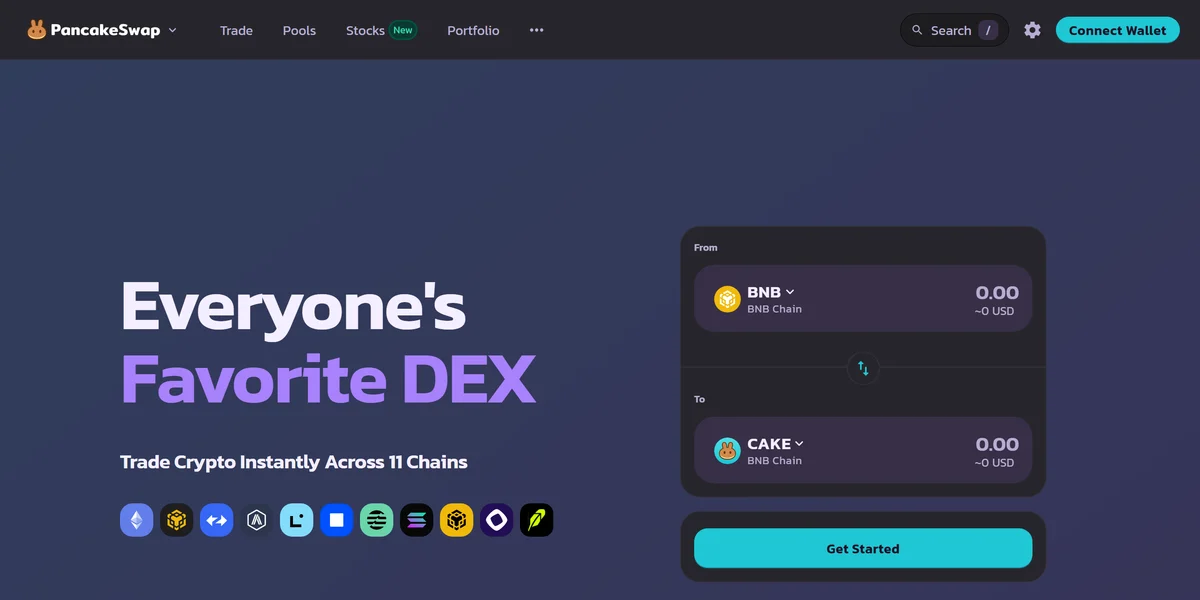
PancakeSwap is the leading DEX on BNB Chain, and it now runs on 11 chains in total. It is known for low fees, a simple swap screen and ways to earn, such as farms and staking. Its newest version, PancakeSwap Infinity, brings hooks similar to Uniswap v4. Entrepreneurs who want a similar platform can start from a PancakeSwap clone script.
Key Features:
- Low fees: far cheaper than swapping on Ethereum mainnet.
- Yield farming: stake LP tokens to earn CAKE rewards.
- Multi-chain: BNB Chain, Ethereum, Base, Arbitrum and more.
- High liquidity: the deepest pools for BNB Chain tokens.
3. PumpSwap
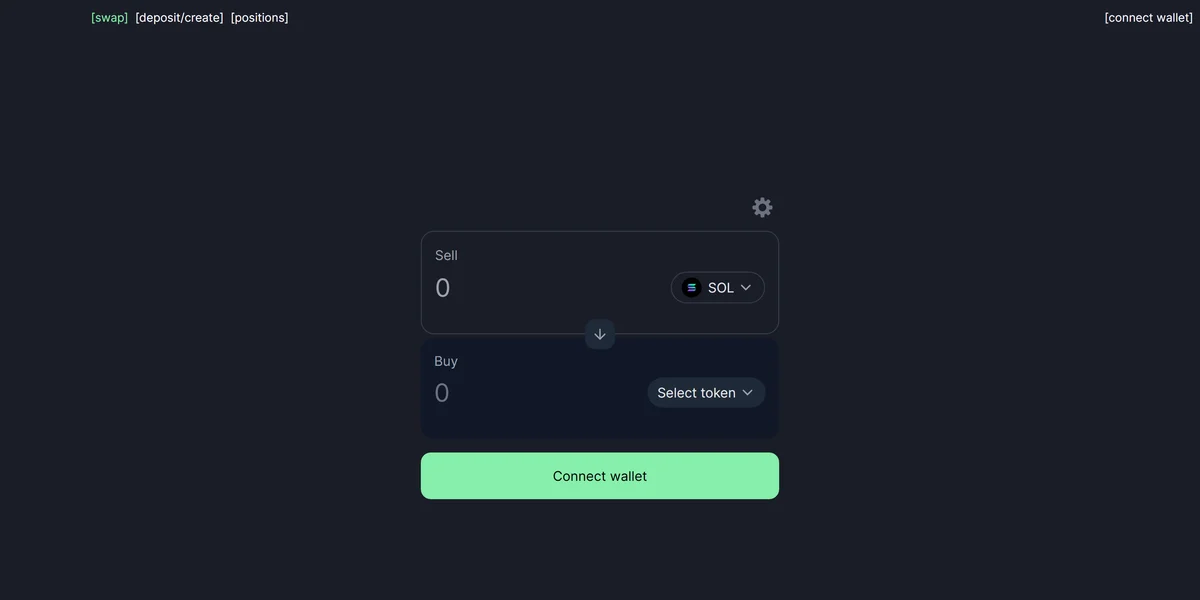
PumpSwap is the DEX run by Pump.fun, the Solana meme-coin launchpad. When a new token on Pump.fun sells out its starting supply, it moves to PumpSwap for open trading. That flow of new launches made PumpSwap the third-largest spot DEX by volume in September 2026.
Key Features:
- Instant listings: tokens graduate from Pump.fun straight into PumpSwap pools.
- Creator rewards: token creators earn a share of trading fees.
- Solana speed: trades confirm in seconds for a fraction of a cent.
Want to launch a similar platform? See our Pump.fun clone script.
4. Aerodrome Finance

Aerodrome is the main liquidity hub on Base, the layer 2 network built by Coinbase. It uses a “vote-escrow” model: holders lock AERO to get veAERO, then vote on which pools receive new token rewards. Voters earn the trading fees and bribes from those pools, so the people steering rewards are paid for it.
Key Features:
- Vote-lock rewards: veAERO voters direct emissions and collect fees.
- Slipstream pools: concentrated liquidity for tighter prices.
- Base native: the default place new Base tokens find liquidity.
5. Raydium
Raydium is one of the oldest and largest DEXs on Solana. It runs AMM pools, concentrated liquidity pools and LaunchLab, a tool for launching new tokens. Anyone can create a pool for any Solana token, which is why many projects start here. Build your own with a Raydium clone script.
Key Features:
- Low-cost trades: Solana keeps fees tiny, even when busy.
- Permissionless pools: list any SPL token without asking.
- LaunchLab: tools to launch and bootstrap a new token.
6. Orca
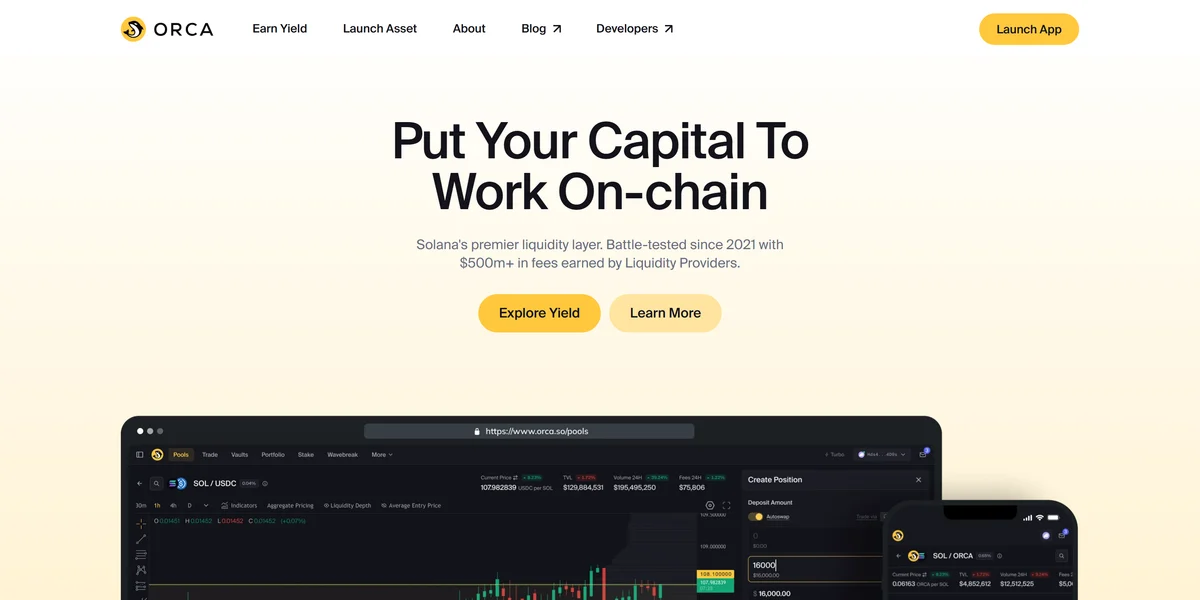
Orca is a Solana DEX focused on concentrated liquidity. Its “Whirlpools” let providers pick the price range where their funds work. Orca says its liquidity providers have earned more than $500 million in fees since 2021.
Key Features:
- Whirlpools: concentrated liquidity for better prices on large swaps.
- Simple swaps: a clean interface that suits new users.
- Launch tools: support for new token launches on Solana.
7. Meteora
Meteora is a Solana liquidity protocol best known for its DLMM pools. DLMM splits liquidity into price “bins”, and fees can rise when the market is volatile, which protects providers during big swings. Many Solana token launches use Meteora pools for their first liquidity.
Key Features:
- DLMM pools: liquidity in price bins, with dynamic fees.
- Launch pools: tools for fair token launches.
- Solana backbone: used by many other Solana DeFi apps.
8. Curve Finance
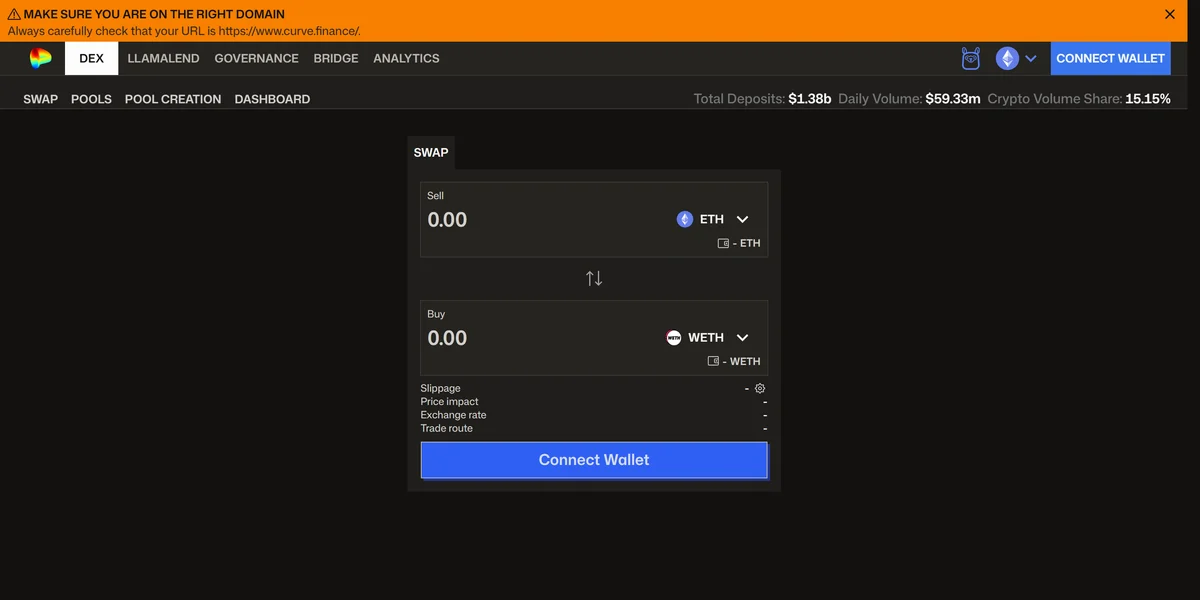
Curve is the go-to DEX for swapping coins that should hold the same price, such as USDC, USDT and DAI, or ETH and staked ETH. Its pool maths keeps the price nearly flat for large trades, so big swaps lose less to slippage. Curve held about $1.3 billion in liquidity in September 2026. Founders can build a similar platform with a Curve Finance clone.
Key Features:
- Stablecoin focus: built for like-for-like swaps.
- Low slippage: large swaps barely move the price.
- LlamaLend and crvUSD: lending markets and Curve’s own stablecoin.
9. Hyperliquid
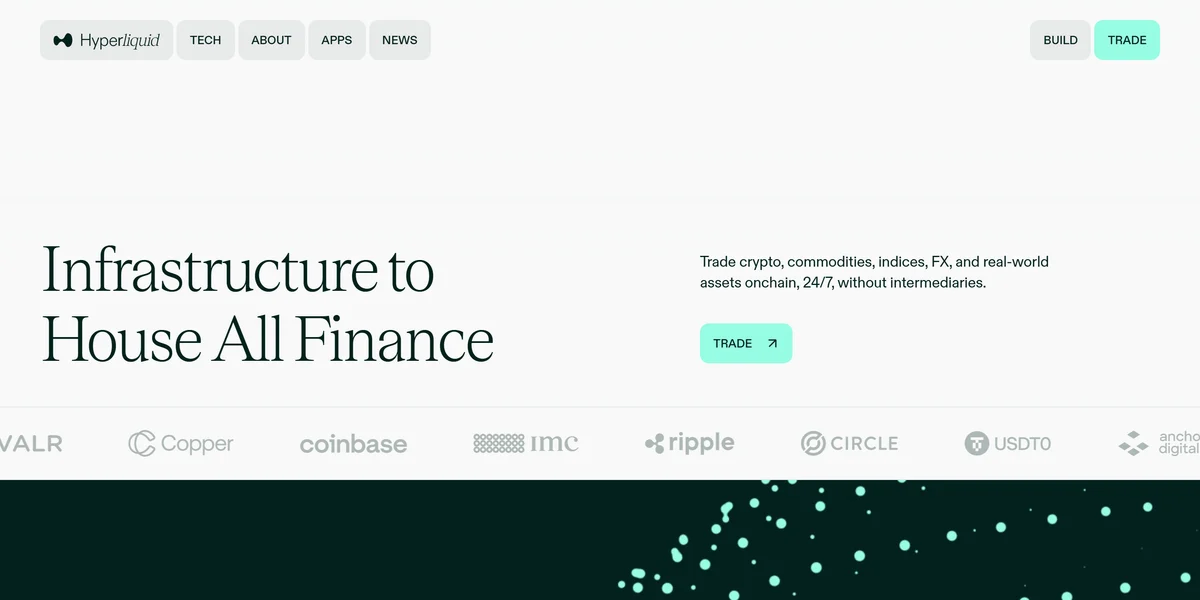
Hyperliquid is the largest on-chain perpetual futures exchange, with roughly a third or more of all perp DEX volume in 2026. It runs its own layer 1 blockchain with a fully on-chain order book, so trades feel like a centralized exchange. Traders deposit USDC, mostly bridged from Arbitrum, and can trade crypto and a growing list of real-world assets. See how to build a perpetual DEX like Hyperliquid.
Key Features:
- On-chain order book: every order and fill is on the chain.
- No gas per trade: you pay trading fees, not network gas, to place orders.
- High leverage: up to 40x on major markets.
- Spot and HyperEVM: spot trading and smart contracts on the same chain.
10. dYdX
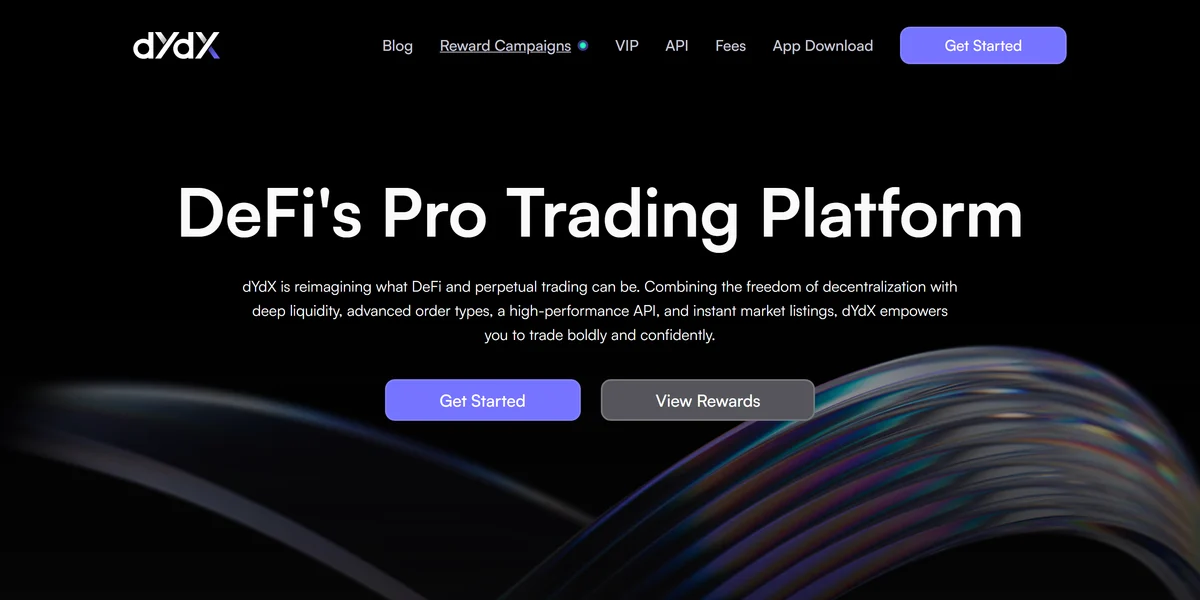
dYdX is a derivatives DEX built for professional traders. Since version 4, it runs on its own blockchain, the dYdX Chain, built with Cosmos. Validators run the order book off-chain for speed and settle trades on-chain. Want the same model? Read how to build a decentralized exchange like dYdX.
Key Features:
- Own chain: dYdX Chain, run by independent validators.
- Pro order types: limit, stop and take-profit orders with leverage.
- Instant market listings: new perpetual markets can be added without a vote.
DEX Aggregators: 1inch and Jupiter
Aggregators are not exchanges themselves. They check many DEXs at once and split your trade across them for the best price. 1inch does this on Ethereum and other EVM chains, and Jupiter does it on Solana. If you are unsure which DEX to use, start with an aggregator. See our list of the best DEX aggregators for more.
DEXs That Dropped Off the List in 2026
Balancer was a top DEX for years, but it was hacked for more than $100 million in November 2025. Balancer Labs, the company behind it, closed in March 2026, and BAL holders are voting on a wind-down from 25 to 29 September 2026. Its liquidity is now a small fraction of what it was, so we removed it from this list.
DEX vs Centralized Exchange
| Decentralized exchange | Centralized exchange | |
| Who holds your coins | You, in your own wallet | The exchange |
| Sign-up | Connect a wallet, no account | Account and KYC |
| Fiat deposits | Not directly | Bank transfer and cards |
| Token choice | Any token anyone lists | Tokens the exchange approves |
| Main risk | Smart contract bugs and scam tokens | Exchange hacks and failures |
| Best for | Self-custody, new tokens, DeFi | Beginners and fiat trading |
How to Choose the Best Decentralized Exchange
- Match the chain: use a DEX on the chain where your tokens and wallet already are.
- Check liquidity: deeper pools mean less slippage on your trade size.
- Compare total cost: add the swap fee, gas and price impact, or use an aggregator.
- Check the track record: prefer DEXs with long histories and public audits.
- Verify the token: always check the contract address, because anyone can list a copy.
- Protect against MEV: for large Ethereum trades, use MEV protection or an aggregator that offers it.
What Is a Decentralized Exchange?
A decentralized exchange (DEX) is a trading platform run by smart contracts on a blockchain. You trade straight from your own wallet, so no company holds your coins. Most DEXs let you swap, provide liquidity and earn fees, and some also offer lending, staking or futures.
How Does a Decentralized Exchange Work?
Instead of a company matching orders, a DEX uses smart contracts that run on the blockchain. This means:
- No account needed: you connect a wallet and trade.
- No custody: your funds stay in your wallet until the swap settles.
- Open rules: anyone can read the contract code and check every trade.
There are two main designs. AMM DEXs such as Uniswap and Curve use pools of tokens and a pricing formula. Order book DEXs such as Hyperliquid and dYdX match bids and asks like a traditional exchange.
Core Features of Decentralized Exchanges
These are the features that set the best decentralized exchanges apart, and the ones founders should plan for:
- Smart contract trading: swaps, pools and fees all run in code.
- Automated market makers or order books: the engine that sets prices.
- Clear user and admin dashboards: easy swaps for users, full control for operators.
- Wallet connection: support for MetaMask, Phantom and other wallets.
- Strong security: audits, bug bounties and emergency pause controls.
- Real-time analytics: price charts, volume and pool data.
- Liquidity tools: ways to add, remove and reward liquidity.
- Governance: token voting on fees and upgrades.
- Cross-chain support: bridges or native deployment on several chains.
- Derivatives: perpetual futures and leverage, for advanced DEXs.
Benefits of Using a DEX in 2026
Here is why traders move to decentralized exchanges:
- You keep control: your coins stay in your wallet, so an exchange failure cannot freeze them.
- Direct trades: smart contracts replace the middleman.
- Open to anyone: you only need a wallet and an internet connection.
- A say in the rules: token holders vote on upgrades and fees.
- Ways to earn: provide liquidity, farm or stake for extra rewards.
Challenges and Limits of Decentralized Exchanges
DEXs also come with real risks, and 2026 showed them clearly:
- Smart contract bugs: the Balancer hack proved that even audited, well-known DEXs can be exploited.
- Thin liquidity: new or small tokens can swing sharply in price.
- Harder to use: wallets, gas fees and network choices confuse beginners.
- Slippage: the final price can differ from the quote on a fast-moving market.
- Impermanent loss: liquidity providers can end up with less value than if they had just held the tokens.
- Scam tokens: anyone can list a token, so always check the contract address.
Why Build a Decentralized Exchange?
On-chain trading keeps growing. With around $310 billion in monthly spot DEX volume, plus a fast-growing perpetuals market led by Hyperliquid, there is room for new venues that serve a clear niche.
A DEX earns from trading fees, listing and launch fees, token sales, and premium features. Even a small share of a busy chain’s volume can produce steady revenue. Owners also carry less custody risk than a centralized exchange, because users keep their own funds.
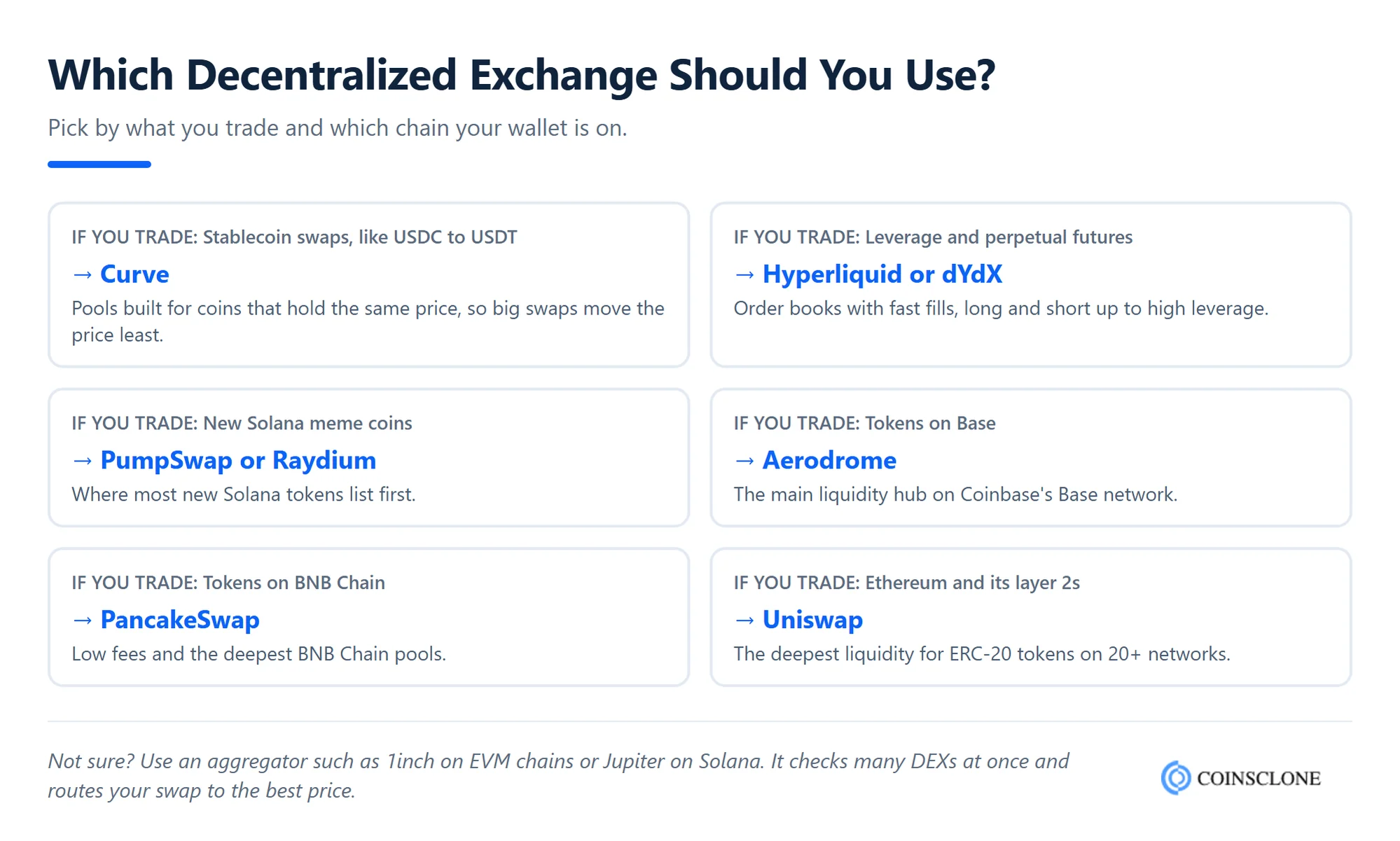
The key is focus. The winners above each own something: stablecoins for Curve, Base for Aerodrome, meme coins for PumpSwap, and perpetuals for Hyperliquid.
Why Choose Coinsclone for Decentralized Exchange Development?
Coinsclone is a decentralized exchange development company that helps startups and businesses launch secure DEX platforms. We build AMM, order book and perpetual DEXs, with audited smart contracts and the admin tools to run them.
If you need to launch fast, our white-label DEX solutions and ready-made decentralized exchange script come with the core features built in, so you can go live quickly and at lower cost.
Frequently Asked Questions
What is the best decentralized exchange?
Uniswap is the best decentralized exchange for most users, with the most volume and the deepest liquidity across more than 20 networks. For Solana tokens, Raydium, Orca and Meteora lead, and for perpetual futures, Hyperliquid leads.
Which is the cheapest decentralized exchange?
The cheapest DEXs run on low-fee chains. Solana DEXs such as Raydium, Orca and Meteora, reached through the Jupiter aggregator, cost a fraction of a cent in network fees. PancakeSwap on BNB Chain and Aerodrome on Base are also cheap.
How is a DEX different from a centralized exchange?
On a DEX you keep your coins in your own wallet and trade through smart contracts. On a centralized exchange, the company holds your coins and matches your orders. DEXs are more open and have less counterparty risk, while centralized exchanges are easier for beginners and offer fiat payments.
Which DEX has no gas fees?
Hyperliquid and dYdX run their own chains, so you pay trading fees but no gas to place orders. On AMM DEXs you always pay network gas, but on Solana, Base and BNB Chain it is usually tiny.
What are the best decentralized exchanges for beginners?
Uniswap on Ethereum and its layer 2s, PancakeSwap on BNB Chain, and Jupiter on Solana all have simple swap screens. Start with a small trade and always check the token’s contract address.
Are decentralized exchanges safe?
They remove the risk of an exchange holding your funds, but they add smart contract risk. Use DEXs with long track records and audits, and remember that even big names like Balancer have been hacked.
Can I earn rewards by using a DEX?
Yes. You can provide liquidity to earn trading fees, farm reward tokens, or stake governance tokens. Each carries risk, including impermanent loss.
Do DEXs support fiat currency?
Most DEXs do not accept bank transfers or cards directly. You can buy crypto through an on-ramp such as MoonPay or Transak, often built into your wallet, and then trade on the DEX.
See How Our MVP System Helps You Build the Best Decentralized Exchange
Best Decentralized Exchange — built for secure, fast, and trustless crypto trading.
- MVP System : Launch a scalable DEX with AMM, order book, or hybrid trading models.
- DeFi-Ready Modules : Integrate liquidity pools, multi-chain swaps, farming, staking, and wallets.
- Brand & Customization :Customize UI, trading pairs, fee structures, and governance.
- Revenue Engine : Generate revenue through swap fees, incentives, and premium features.
Get a free DEX strategy demo in just 48 hours — before development begins.
Book a Free Demo to launch the best decentralized exchange in 8–12 weeks and stay ahead of the market.